


Choosing between the different types of pellets for pellet stoves can be confusing. Understanding how hardwood, softwood and blended pellets differ can help you find a fuel that delivers the heat, cleanliness and performance you want.
Not all pellets for pellet stoves perform exactly the same. Wood species, pellet quality, ash content and storage can all affect your heating experience. Knowing what to compare can help you choose pellets that suit your stove, heating needs, maintenance preferences and budget.
Whether you're replacing an existing stove or buying your first, explore our pellet stoves or find a nearby dealer to discover the best fit for your home.
Types Of Wood Pellets For Stoves
The most common types of wood pellets for stoves are hardwood, softwood and blends. All are generally made by drying and grinding wood material before compressing it into dense pellets. Despite their names, hardwood pellets aren't automatically harder or better than softwood. Actual performance depends on the pellet's density, moisture, ash content and overall quality.
-
Hardwood pellets: Made from hardwood species such as oak or maple. They are widely available and can provide steady heat with good burn characteristics.
-
Softwood pellets: Made from species such as pine or fir. Quality softwood pellets can produce strong heat output and relatively low ash.
-
Blended pellets: Combine hardwood and softwood materials, offering performance characteristics that vary depending on the blend and manufacturer.
Want to understand pellet heating more broadly? Read Are Pellet Stoves Worth It? A Complete Guide.
Regular Vs. Premium Pellets For Pellet Stoves
When comparing pellets for a pellet stove, grade can matter as much as wood species. Premium pellets typically meet tighter standards for characteristics such as ash and moisture content, which can contribute to cleaner operation and less frequent ash removal. Standard-grade pellets may have higher ash levels but can still be suitable when allowed by your stove manufacturer.
Price alone doesn't determine the best pellets for a pellet stove. Consider fuel quality, heat output, ash production and how frequently the stove will need cleaning. Always check your stove's manual for fuel specifications and recommendations.
For more information about fuel consumption, read How Many Pellets Does a Pellet Stove Use?.
How To Choose The Best Wood Pellets For Heating
Finding the best wood pellets for heating starts with your stove manufacturer's requirements. From there, compare pellet quality, heat output, ash production, price and local availability. Look for recognized quality certifications, and consider testing a few compatible brands before purchasing a larger seasonal supply.
Storage matters, too. Keep pellets dry and protected from moisture, which can cause them to swell, deteriorate or become unusable. Buying before peak heating season may also give you more choices, depending on availability in your area.
If you're still deciding on the stove itself, explore The Complete Guide to Buying a Pellet Stove.
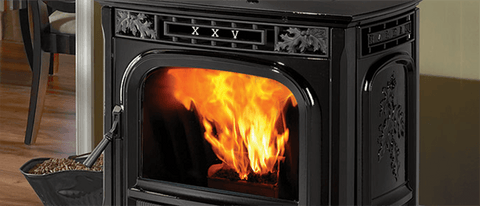
Contact A Dealer To Get The Best Forge & Flame Pellet Stove For Your Space
Choosing the right pellets comes down to more than simply picking hardwood or softwood. Fuel quality, ash and moisture levels, heat output, availability and your stove's requirements can all influence which option works best. Taking time to compare compatible pellets can help you get more from your stove throughout the heating season.
And if you're looking for a new pellet stove to build your heating experience around, explore Freestanding Pellet Stoves for Sale from Forge & Flame. With the right stove and the right fuel, you can create dependable warmth designed around your home and heating needs.
Ready to explore your options? Find a Forge & Flame dealer near you for help choosing the right pellet stove for your space.

